 Partners for Collaborative Solutions
Creativity and the Use of Self in Systemic Therapy Approaches:
Expanding Repertoires of Clinical Practice and Thinking Beyond the Comfort Zone
This one or two-day workshop takes as its main focus those ways in which we use our selves in the context of working with children and families, teams and organisations from a systemic theoretical perspective.
We are born into cultural racial and gendered discourses which shape our identities in a process of revision based on our social and psychological ”being in” the world. Social constructionism has made a profound impact on how we view ourselves in the context of our practice.
The workshop will help practitioners and therapists in health and social care organisations to explore those areas of our thinking and practice which have become safe and perhaps habituated. The workshop will aim to take us beyond the ”comfort zone” by keeping practice alive to possibilities.
The workshop will explore:
- How we can become trapped by familiar patterns of interaction, belief, and relationships with clients and how to free this up.
- How our professional biases, personal or family scripts influence our practice to create both opportunities and limitations to our potential as therapists.
- How we can move into the “discomfort zone“ of fresh initiatives and skills, improvisation and “working with the moment” from within a rigorous theoretical framework.
The presenters will, through the use of case discussion, personal/professional anecdotes and video illustrations, share their thinking and developmenton the use of self within this approach including:
- Learning from mistakes and failures as well as from useful outcomes.
- Maintaining an attitude of curiosity and optimism in practice withoutfalling in love with the idea of “wonder cure therapy.”
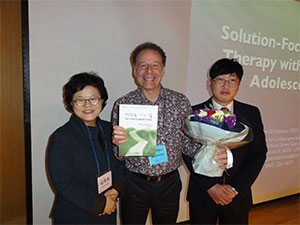
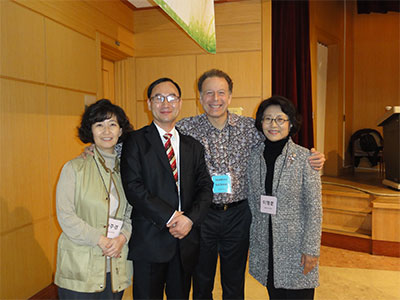
Matthew’s book Pathways to Change: Brief Therapy with Difficult Adolescents, Second Edition was just published in Korean. A copy was presented to me at my workshop in Seoul, which was hosted by the Korean Solution-Focused Brief Therapy Association.