 Partners for Collaborative Solutions
Violent, Suicidal, And Self-Harming Adolescents:
A Multisystemic Family Therapy Approach
Adolescents presenting with self-mutilating, suicidal behavior, heavy substance abuse, explosive and violent behaviors, and extensive involvement with the police can intimidate the most seasoned of family therapists. Often, these youth come from families that are characterized by family secrets, chronic marital discord, post-divorce conflicts, a lack of parental supervision or harsh discipline, emotional disconnection, parental substance abuse or mental health issues, and multiple treatment failures.
With the increasing push for community-based services and managed care constraints, therapists working in the trenches with these high-risk youth and their families will need to utilize a flexible, ecologically-based family therapy approach in order to do effective and efficient therapeutic work. In this “hands on” practice-oriented institute, a strengths-based multisystemic family therapy model will be presented that targets interventions at the individual, family, peer group, school, and community levels. The workshop format will include an information-rich didactic presentation, extensive use of videotape examples, skill-building exercises, and case consultations with the participants’ “stuck cases.”
Workshop Agenda
Monday:
- From therapeutic blackholes to possibilities: A multisystemic family therapy approach
- The multisystemic family assessment framework: Guidelines for capitalizing on family strengths and for targeting systems level interventions
- Therapeutic strategies and tools for getting in the door with resistant and noncompliant families
- Improvisational systemic interviewing: Therapeutic questions that elicit untold family stories, family members’ expertise, well-formed behavioral goals, and co-create compelling future realities with stuck families
- Skill-building exercise
Tuesday:
- Effective engagement strategies with challenging adolescents
- Finding fit: Guidelines for designing, selecting, and matching therapeutic experiments with family members’ unique cooperative response patterns and stages of readiness for change
- The loss/rage dynamic: Creating a sacred and safe place for violent youth to address unresolved losses and shattered dreams
- Effective cognitive-behavioral interventions
- Angry and pessimistic parents: Empowerment tools and strategies
- The Solution-Oriented Parenting Group
- Skill-building exercise
- Case consultations
Wednesday:
- Turning hopelessness and despair into possibilities: Effective strategies with suicidal adolescents and their families
- Living on the razor’s edge: Therapeutic guidelines for working with self-harming adolescents
- Connection-building family rituals
- The Stress-Busters’ Leadership Group
- Skill-building exercise
- Case consultations
Thursday:
- Untangling family-helping system knots: Facilitating transformative dialogues with involved helping professionals from larger systems
- Use of concerned peers and inspirational others as resources in family therapy
- Invitation for curiosity: The use of reflecting teams and the therapeutic debate with stuck cases
- Skill-building exercise
- Case consultations
Friday:
- Riding the waves of change: Effective Goal-maintenance and solution-enhancement strategies
- Therapeutic dead-ends: Troubleshooting guidelines for getting unstuck
- Celebrating change: Honoring families’ victories
- Case consultations
- Adjourn
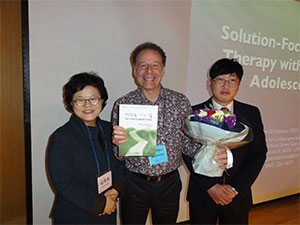
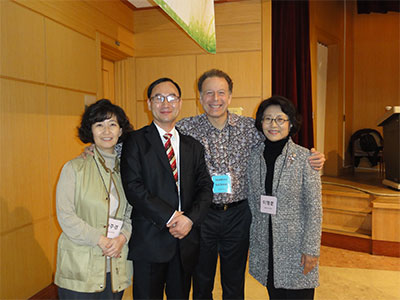
Matthew’s book Pathways to Change: Brief Therapy with Difficult Adolescents, Second Edition was just published in Korean. A copy was presented to me at my workshop in Seoul, which was hosted by the Korean Solution-Focused Brief Therapy Association.